5 Conversion-Focused Marketing Tools That Boost ROI
In today's competitive landscape, a generic marketing strategy is insufficient for driving significant revenue growth. Decision-makers require a conversion-focused marketing approach that directly targets the bottom line, turning prospects into loyal customers. The challenge lies in selecting tools that integrate seamlessly rather than creating operational silos. This is where modular, need-based solutions offer a distinct advantage, allowing businesses to enhance specific facets of their strategy without overhauling entire systems, paving the way for a tangible sales performance boost.
Advanced analytics platforms form the cornerstone of this methodology, providing deep insights into customer behavior that fuel data-driven decisions. These systems track every interaction, from initial click to final purchase, enabling precise optimization of campaigns for maximum impact. By understanding the customer journey, businesses can significantly uplift the digital customer experience, fostering higher engagement and loyalty. When integrated with other operational modules, as delivered by technology partners like Vayes Labs, these tools become powerful business efficiency tools, streamlining workflows across departments.
Complementing analytics, sophisticated customer relationship management (CRM) systems automate follow-ups and personalize communications at scale. This not only improves lead nurturing but also enhances process efficiency by reducing manual tasks. Furthermore, AI-powered chatbots and targeted email marketing automation ensure consistent, timely engagement, directly contributing to a higher marketing tools ROI. These tools work in concert to create a cohesive ecosystem where every interaction is optimized for conversion.
A/B testing and personalization engines are critical for refining messaging and user interfaces based on real-time data. This continuous iteration ensures that marketing assets are perpetually optimized for the highest possible conversion rates, elevating the overall customer journey. The true power, however, lies in the integrated use of these platforms, creating a feedback loop where data from one tool informs the strategy of another.
The ultimate measure of these tools is their direct contribution to measurable performance gains and long-term operational scalability. By adopting a strategic, modular approach to conversion-focused marketing, businesses can achieve a sustained sales performance boost while building a more resilient and customer-centric operation. This focus on integrated, result-oriented solutions transforms marketing from a cost center into a core driver of business growth and digital transformation.
Optimize Your Sales Funnel for Maximum Process Efficiency
A leaky sales funnel represents one of the most significant drains on profitability for growth-focused organizations. Each stage, from awareness to conversion, must be meticulously engineered for seamless flow and minimal friction. Optimizing this funnel is not merely a marketing exercise; it is a core component of achieving maximum process efficiency across the entire customer lifecycle. By digitizing each touchpoint, businesses can transform a fragmented journey into a cohesive, data-driven system that reliably delivers a sales performance boost.
The foundation of optimization begins with capturing and analyzing prospect data at the top of the funnel. Implementing intelligent lead scoring and segmentation modules allows for precise targeting, ensuring that marketing resources are allocated to the most promising opportunities. This data-centric approach is the essence of conversion-focused marketing, moving beyond broad awareness to actionable engagement. When integrated with CRM platforms, as delivered by technology partners like Vayes Labs, these tools automate follow-ups and personalize communications, significantly improving the digital customer experience.
Moving into the consideration phase, the focus shifts to nurturing with high-value content and streamlined interactions. Marketing automation platforms are powerful business efficiency tools here, delivering personalized emails and targeted content based on user behavior. This not only shortens the sales cycle but also builds trust and authority. Furthermore, simplifying the path to purchase with intuitive forms and secure payment gateways reduces abandonment rates and enhances operational security.
The final conversion stage must be frictionless. A/B testing landing pages and optimizing checkout processes remove unnecessary steps that deter commitment. Analyzing conversion data provides clear insights into the marketing tools ROI, highlighting which strategies yield the highest returns. This continuous feedback loop allows for real-time refinements, ensuring the funnel becomes more efficient over time.
Ultimately, a fully optimized sales funnel is a strategic asset that drives sustainable growth. By viewing each customer interaction as part of an integrated, digitized process, businesses can achieve remarkable gains in efficiency and profitability. This holistic approach to funnel management ensures that every investment in conversion-focused marketing translates directly into measurable business outcomes and a stronger competitive position.
How to Increase Customer Interaction With Data-Driven Campaigns
In an era of information overload, capturing and retaining customer attention requires more than just broadcasting messages. True engagement is achieved through strategic, data-driven campaigns that deliver personalized value at every touchpoint. This methodology transforms marketing from a guessing game into a precise engine for interaction, directly influencing sales performance boost. By leveraging modular analytics and automation tools, businesses can systematically increase both the frequency and quality of customer engagement, creating a more resilient and responsive marketing operation.
The journey begins with comprehensive data collection across all channels, from website analytics to social media interactions. This raw data provides the foundation for understanding customer behavior, preferences, and pain points. By implementing segmentation tools, marketers can group audiences based on shared characteristics, enabling highly targeted and relevant communication. This level of personalization is crucial for any conversion-focused marketing strategy, as it ensures messages resonate deeply with each segment.
Automation platforms are indispensable business efficiency tools for executing these data-driven campaigns at scale. They enable triggered communications based on specific user actions, such as downloading a resource or abandoning a cart. This real-time responsiveness creates a dynamic digital customer experience that feels intuitive and supportive. Solutions integrated across operational modules, as delivered by technology partners like Vayes Labs, ensure this data flows seamlessly from marketing to sales and service teams.
Measuring the impact is essential for continuous improvement. Key performance indicators like open rates, click-through rates, and engagement duration provide clear insight into campaign effectiveness. This data directly correlates to the marketing tools ROI, allowing businesses to double down on high-performing strategies and refine or eliminate underperforming ones. This iterative, data-backed approach ensures that marketing spend is optimized for maximum impact.
Ultimately, increasing customer interaction through data-driven campaigns builds a sustainable competitive advantage. It fosters loyalty, drives repeat business, and generates invaluable first-party data for future innovations. By adopting a strategic, modular approach to engagement, businesses can transform customer interactions into a predictable driver of growth, ensuring long-term success in a digitally transformed marketplace.
7 Steps to Achieve Measurable Sales Performance Gains
Systematic improvement in sales outcomes demands a disciplined, step-by-step methodology rooted in data and strategic alignment. For organizations pursuing digital transformation, achieving a sustainable sales performance boost is less about isolated tactics and more about building an integrated, optimized engine. A modular approach allows businesses to implement these steps incrementally, ensuring each initiative contributes to measurable gains without disrupting core operations.
The first critical step is conducting a comprehensive audit of the existing sales and marketing funnel to identify leaks and bottlenecks. This diagnostic phase provides a data-backed baseline, highlighting where prospects disengage. Following this, clearly defining key performance indicators (KPIs) aligns the entire team around specific, quantifiable goals. These initial actions establish the framework for a true conversion-focused marketing strategy, shifting focus from activity to outcome.
Next, implementing advanced customer segmentation and personalization tools transforms how you communicate with prospects. By tailoring messages to specific audience needs, businesses can significantly enhance the digital customer experience. Integrating marketing automation, as delivered by technology partners like Vayes Labs, serves as one of the most effective business efficiency tools, nurturing leads with precision and freeing up valuable team resources for high-value interactions.
Continual optimization through A/B testing and performance analysis forms the core of the remaining steps. Testing landing pages, email subject lines, and call-to-action buttons provides actionable data to refine campaigns. Closely monitoring the marketing tools ROI ensures that budget allocation is constantly aligned with the highest-yielding activities. Finally, closing the loop by feeding sales data back into the marketing system creates a virtuous cycle of improvement.
Ultimately, this seven-step framework transforms sales performance from an unpredictable variable into a managed, scalable process. By methodically addressing each stage of the customer journey with data-driven decisions, businesses can secure consistent growth. This strategic approach ensures that every investment in technology and process optimization directly translates into tangible revenue gains and a stronger market position.
Is Your Marketing Strategy Delivering Operational Scalability?
Many marketing strategies deliver short-term results but fail under the pressure of growth, creating operational bottlenecks that stifle expansion. True scalability requires a foundation built on integrated technologies and processes that grow with your business. If your current approach demands proportionally more resources for each incremental gain, it is not designed for scalability. A truly scalable strategy leverages modular, data-driven systems to automate engagement and optimize resource allocation, ensuring a consistent sales performance boost without proportional increases in overhead.
A key indicator of scalability is the ability to personalize interactions at scale without manual effort. This is where conversion-focused marketing automation becomes essential. Platforms that segment audiences and deliver tailored content automatically ensure every prospect receives a high-quality digital customer experience regardless of volume. These integrated systems, often packaged as modular business efficiency tools by providers like Vayes Labs, are fundamental to managing growth efficiently.
Another critical factor is the seamless integration of marketing data with other operational systems, such as CRM and sales platforms. Siloed data creates inefficiencies and a fragmented customer journey, directly hindering scalability. An integrated tech stack provides a unified view of the customer, enabling more precise targeting and streamlined workflows. This holistic approach is crucial for maximizing the marketing tools ROI and ensuring that marketing efforts contribute directly to scalable revenue streams.
Furthermore, a scalable strategy is predictable and measurable. It relies on clear KPIs and analytics to track performance across the entire funnel. This data-driven insight allows for proactive optimization rather than reactive fixes, ensuring the strategy can adapt to changing market conditions and increased demand. The system itself becomes a competitive asset, capable of driving growth consistently.
Ultimately, asking whether your marketing strategy delivers operational scalability is a question about long-term viability. A scalable approach transforms marketing from a cost center into a predictable, efficient growth engine. By investing in modular, integrated technologies that automate personalization and provide deep analytical insight, businesses can ensure their growth is sustainable, efficient, and built on a foundation designed for the future.
Enhance Customer Experience to Drive Sales Performance
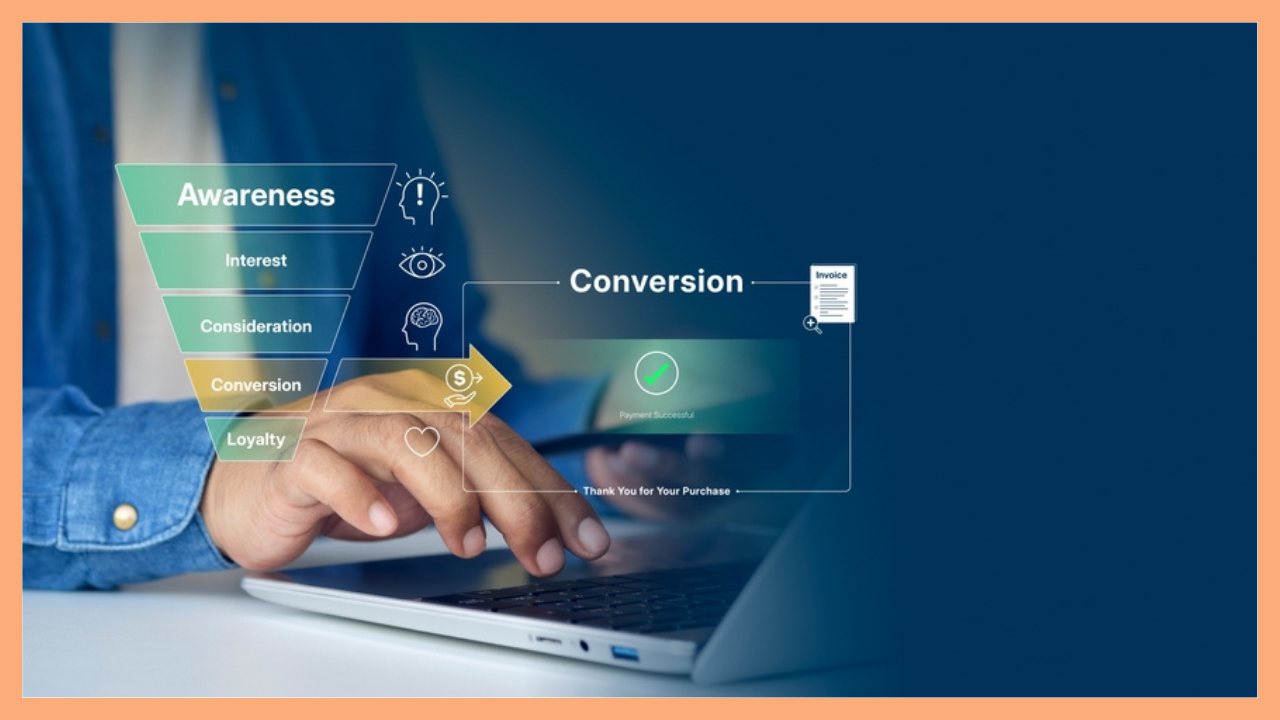
In the digital age, the customer experience is not merely a support function but the primary driver of revenue growth and loyalty. A superior experience directly translates into a significant sales performance boost by reducing friction, building trust, and encouraging repeat business. For decision-makers, enhancing this experience is a strategic imperative that requires a deliberate, digitized approach, moving beyond superficial interactions to creating seamless, value-driven journeys at every touchpoint.
The foundation of an enhanced digital customer experience lies in deep personalization rooted in data intelligence. By leveraging analytics to understand individual preferences and behaviors, businesses can deliver tailored content, product recommendations, and communications. This proactive approach is the hallmark of conversion-focused marketing, where every interaction is designed to guide the customer smoothly toward a purchase decision. Implementing modular platforms, as delivered by technology partners like Vayes Labs, provides the essential business efficiency tools to automate this personalization at scale.
Streamlining operational processes is equally critical for a positive experience. Lengthy forms, complex checkout processes, and delayed support responses are major deterrents to conversion. Digitizing these touchpoints with intuitive interfaces and automated workflows removes unnecessary friction, making interactions convenient and secure. This operational efficiency not only improves satisfaction but also directly impacts the bottom line by reducing abandonment rates and increasing the lifetime value of each customer.
Furthermore, integrating customer feedback mechanisms creates a closed-loop system for continuous improvement. Real-time surveys and sentiment analysis provide immediate insights into the customer's perception, allowing for swift adjustments. This data-driven approach ensures that investments in experience enhancement yield a high marketing tools ROI, as improvements are based on actual user data rather than assumptions.
Ultimately, viewing customer experience as the core of your sales strategy creates a sustainable competitive advantage. A delighted customer is more likely to convert, spend more, and advocate for your brand. By strategically digitizing and personalizing the customer journey, businesses can unlock significant revenue growth, proving that a focus on experience is the most powerful form of conversion-focused marketing available.
Comparing Traditional vs. Digital Sales Conversion Strategies
The fundamental shift from traditional to digital sales conversion strategies marks a pivotal evolution in how businesses drive growth. Traditional methods often rely on broad-reach advertising, cold calling, and manual follow-ups, which offer limited measurability and scalability. In contrast, modern conversion-focused marketing leverages data and automation to create highly targeted, efficient pathways to purchase. This comparison underscores why digital strategies are essential for achieving a sustainable sales performance boost in today's competitive landscape.
Traditional strategies typically operate with a spray-and-pray mentality, lacking the precision of data-driven insights. It is challenging to attribute a specific sale to a newspaper ad or a cold call, making it difficult to calculate a true marketing tools ROI. Digital strategies, however, excel in measurability. Every click, engagement, and conversion is tracked, providing clear visibility into what works. This allows for continuous optimization of campaigns, ensuring resources are allocated to the most effective tactics for improving the digital customer experience.
Another critical distinction lies in scalability and personalization. Manual processes inherently limit the number of prospects a team can effectively nurture. Digital platforms, acting as powerful business efficiency tools, enable personalized communication with thousands of leads simultaneously. Modular solutions, as delivered by technology partners like Vayes Labs, automate segmentation and nurture sequences based on user behavior. This creates a scalable system that delivers a relevant experience to each prospect without proportional increases in manual labor.
The integration capabilities of digital strategies also offer a significant advantage. Traditional methods often operate in silos, with sales and marketing disconnected. Digital tools facilitate a seamless flow of data between departments, providing a unified view of the customer journey. This integration is crucial for a cohesive strategy that guides prospects smoothly from awareness to conversion, enhancing overall process efficiency and security.
Ultimately, while traditional methods may still have a role in certain contexts, the superiority of digital conversion strategies for measurable, scalable growth is clear. By embracing data-driven, automated approaches, businesses can achieve greater precision, efficiency, and a higher return on investment. The transition to these modern business efficiency tools is not just an upgrade but a necessary step for any organization serious about long-term, data-backed performance gains.
Unlock Sales Growth With Modular Marketing Solutions
Sustainable sales growth in the digital era requires a flexible and scalable approach to marketing technology. Monolithic, one-size-fits-all platforms often lead to rigidity and wasted resources, hindering a true sales performance boost. Modular marketing solutions offer a strategic alternative, allowing businesses to deploy specialized tools precisely where they are needed. This targeted approach enables a more effective conversion-focused marketing strategy by optimizing specific parts of the funnel without the overhead of an entire suite.
The core advantage of modularity is its ability to address distinct business challenges with precision. A company can implement a sophisticated analytics module to gain deep customer insights without being forced into a full CRM upgrade. This flexibility makes these systems exceptional business efficiency tools, as they integrate seamlessly with existing infrastructure. For example, integrating a specialized email automation module can dramatically improve the digital customer experience by delivering personalized content based on real-time behavior.
From a financial perspective, modular solutions provide superior control over the marketing tools ROI. Businesses pay only for the capabilities they immediately require, allowing for a phased investment that aligns with growth. This is particularly beneficial for SMEs seeking to digitize processes without a major upfront cost. Technology providers like Vayes Labs design these modular packages to work together, ensuring that as new modules are added, they create a cohesive and more powerful marketing engine.
Operational security and process convenience are also enhanced through a modular approach. Instead of relying on a single vendor for all functions, businesses can select best-in-class solutions for specific tasks, such as secure payment gateways or data protection tools. This reduces risk and ensures each component of the marketing stack performs at its peak, contributing to a more secure and efficient operational environment.
Ultimately, unlocking sales growth is about building a marketing technology stack that is as agile and dynamic as the market itself. Modular solutions provide the strategic flexibility to adapt quickly, test new channels, and scale successful initiatives with confidence. By adopting a modular approach, businesses can systematically build a high-performance marketing operation that drives consistent, measurable growth and delivers a superior customer journey.





 Notification Center 00:00